Dorset Gardens Brochure Checklist: Confirming Unit Count and Tower Info
When you are deciding on a Dorset Gardens condo, the brochure is supposed to make things simple. It should turn a “maybe” into something you can count, compare, and trust. But here’s the real challenge: unit counts and tower details are the two parts where buyers most often get disappointed after the fact, usually because the marketing story changed, or because different documents use different ways of describing the same thing.
If you are serious about Dorset Gardens new condo decision-making, build your process around one goal: confirm the unit count and tower information directly from the Dorset Gardens brochure, then cross-check the logic against the project’s confirmed planning parameters.
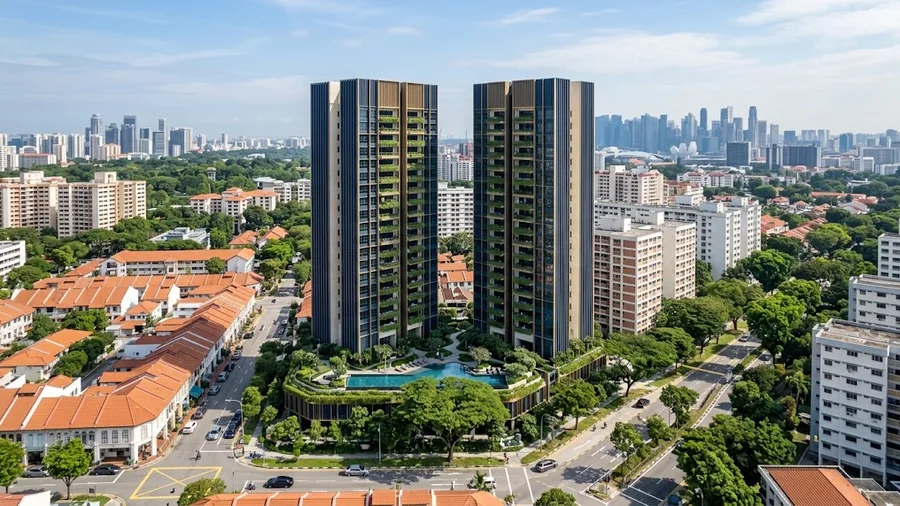
Based on verified project disclosures, Dorset Gardens is planned as about 428 units across two 28-storey residential towers on a 10,399 sq m leasehold site, with a target launch in 1H2027. The site is on Dorset Road in District 8, described as a city-fringe location near Farrer Park MRT and nearby schools such as St. Joseph’s Institution. The development is associated with a consortium led by UOL, with SingLand and Kheng Leong in the structure.
That’s the starting point. Now let the brochure do its job. You are not just looking for pictures, you are verifying the numbers.
Why unit count and tower info are the first things to validate
Unit count sounds straightforward until you see how brochures can be written. Sometimes brochures say “about” (which can be correct, especially if layouts or internal planning shifts). Other times the brochure separates sellable units from other figures like strata lots or special-purpose units, which can create confusion if you are comparing projects.
Tower info creates its own traps. Some brochures clearly label towers and stacks. Others focus on lifestyle concepts, then hide tower naming or stack numbering in small print, or present it in a way that assumes you already know how the site plan works. If you buy based on a unit you cannot reliably locate in the stack plan, you are taking unnecessary risk.
When you are evaluating Dorset Gardens project details, your time is best spent confirming three things early:
First, whether the brochure’s unit count aligns with the project being planned at about 428 units across two towers.
Second, whether the brochure matches the tower height and “two-tower” structure, namely two 28-storey towers.
Third, whether the brochure gives you enough stack and tower mapping that you can identify your target unit type, and then check whether the same unit remains consistent across documents.
This is also where your bargaining power starts. If a brochure is vague on tower and unit allocation, you will want your questions answered before you commit.
The brochure checklist that actually prevents mistakes
Below is the practical way to read a Dorset Gardens brochure without getting pulled into glossy wording. The aim is simple: verify the unit count and tower data using what is printed, not what you assume.
Dorset Gardens brochure checklist (unit count and tower info)
- Confirm the total planned unit count shown in the brochure. It should be consistent with the project being planned as about 428 units.
- Verify the brochure clearly states the number of residential towers. It should indicate two towers, not one, not “blocks” without clarity.
- Check the tower height details. The project disclosures describe two 28-storey residential towers.
- Locate the stack plan section and confirm each stack is mapped to the correct tower name or identifier.
- If the brochure uses qualifying language like “approximate” or “subject to change”, ask what parts are likely to change, and how that affects your specific stack or unit.
If you follow just those five steps, you will catch most of the issues that lead to regret: mismatched numbers, unclear stack mapping, and “about” statements that are not explained.
And yes, you should do this even if the sales team already gave you the numbers verbally. Verbal explanations can be helpful, but brochures are where you can point. You want something you can reference when decisions get firm.
What to expect from Dorset Gardens “about 428 units” wording
The phrase “about 428 units” matters. It signals a plan that is broadly settled, but not necessarily locked down to the last digit.
So what should you do when the brochure gives a number that is very close but not exact? Treat it as a prompt to ask, not as a reason to panic. For example, if the brochure says a figure that implies the same scale, you can accept it as consistent with the disclosed planning. If the brochure suddenly gives a materially different number, that’s a red flag worth escalating.
Here is a practical judgment rule I use when reviewing an upcoming condo brochure:

If the brochure keeps the two-tower structure and the tower height at 28 storeys each, then a small variation in total units is more likely due to internal planning refinements, unit configuration, or marketing rounding. If the brochure changes the two-tower plan, tower height, or total count significantly, you should assume the project’s scope may have shifted.
For Dorset Gardens, the verified planning parameters are specific enough to anchor your evaluation: two residential towers at 28 storeys each, about 428 units, and a leasehold site area of 10,399 sq m.
Your job is to confirm the brochure does not contradict those essentials.
Tower details: what “two towers” should look like in the brochure
The Dorset Gardens brochure should do more than say “two towers.” It should let you find your future unit in a stack plan, and it should explain tower identifiers clearly.
In real buyer terms, “two towers” becomes actionable only when you can answer these questions:
Which tower is the unit in?
Which stack number belongs to the tower?
Do stack numbers align consistently across pages, such as in unit type pages and floor plan references?
If the brochure gives you tower names, tower abbreviations, or floor numbering conventions, your confirmation should include checking whether those identifiers are consistent everywhere.
Here’s the second thing to validate, and it should be obvious once you know what to look for.
Dorset Gardens tower info to confirm in the stack plan pages
- The stack plan should label two distinct residential towers (two separate tower identifiers, not one combined map).
- Tower height should align with 28-storey reference language or equivalent layout notes.
- Stack numbers should be clearly tied to the correct tower label.
- Your target unit type (if shown) should appear under the correct tower and stack.
- Any “indicative only” notes should explain what can change, without breaking the tower-stack mapping.
If those items are present and consistent, you can move forward with more confidence. If they are missing or inconsistent, slow down. With new condo launches, small clarity gaps often become major headaches later, especially if you already selected based on a view or a stack location you cannot confidently verify.
Location clues that help you interpret the brochure, even without guessing
The project’s location is not just a marketing line. It informs how you should interpret the brochure’s view-related wording, the surrounding context described, and what buyers often prioritize.
Dorset Gardens is on Dorset Road in District 8, described as a city-fringe location near Farrer Park MRT. Schools such as St. Joseph’s Institution are also referenced in project materials. That matters because proximity to amenities and established areas tends to shape typical buyer expectations around accessibility, traffic patterns, and daily convenience.
But be careful not to treat location claims as a substitute for the actual unit-level details. A brochure may describe the area well, yet still fail to give clear tower-stack information, and that failure is still the failure you must fix before booking.
Use location context to frame your questions, not to replace verification.
For example, if the brochure claims strong connectivity, you should still confirm the exact tower and stack you are buying, because the most “convenient location” does not mean the same thing for every floor height and orientation within the two towers.
Developer structure and why it can affect how documentation is presented
Dorset Gardens developer information can sound like a side detail, but it influences how reliably documents dorsetsgarden.com.sg are prepared and updated.
Verified disclosures indicate a consortium led by UOL, with SingLand and Kheng Leong involved. UOL materials identify an 80:20 joint venture between UOL and Kheng Leong, with SingLand part of the development structure.
UOL’s disclosures also indicate the Dorset Road site was acquired in January 2026, with UOL having an effective interest in the site of 70%. The project planning parameters include about 428 units across two 28-storey residential towers and the leasehold site area.
Why does this matter for your brochure checklist? Because bigger consortium structures can mean more layers of approvals and document iteration. In practical terms, you might see the brochure content evolve as approvals are refined, even if the core plan stays stable.
So if you are reviewing the brochure close to the launch timeline, pay attention to the effective document date or any “updated” notes. If the sales team gives you a newer version, compare tower and stack pages carefully, not just the front cover.
If the developer-led consortium structure is solid, it does not guarantee the brochure will be perfect. It just lowers the risk that the project disappears or changes direction abruptly, which is the background you should want when you are booking.
What “target launch in 1H2027” means for your decision timing
A target launch in 1H2027 tells you the project is not immediate. That timing creates a window where brochures might become more detailed over time, and where certain items can remain “indicative” longer than buyers expect.
So, treat the brochure as the latest official snapshot, not as the final word on everything. The critical point is that unit count and tower structure should be stable enough to verify now, especially since verified planning describes a two tower, two 28-storey configuration and about 428 units.
Still, your next step matters. If you are booking a Dorset Gardens book appointment or asking to visit a Dorset Gardens view showflat, you should ask whether the showflat sales materials match the brochure unit count and stack plan. If the showflat includes alternate visuals that imply a different tower stack layout, ask for the specific stack mapping used at that stage.
A good sales process will not make you guess. It will help you reconcile what you see in marketing visuals with what is written in the brochure’s unit and stack references.
Pricing and amenities claims: what to do when they are not confirmed in the brochure
You may see Dorset Gardens pricing and amenity highlights in marketing materials. However, verified context found no confirmed official brochure pricing details, showflat pricing figures, full amenities lists, or any confirmed balance-unit counts in primary sources.
That doesn’t mean you should ignore them. It means you should handle them with discipline.
If the brochure does not present final pricing or if pricing is given as a range without clear unit references, do not treat it as your decision anchor. Prices can be influenced by floor level, stack location, and unit type. When you cannot map price quotes to a specific tower, stack, and floor, you end up comparing apples to oranges.
Similarly, if the brochure mentions lifestyle or facilities in broad terms, ensure you are not using those descriptions to compensate for missing tower-stack clarity.
My advice, built from buyer experience, is to separate your evaluation into two layers:
Layer one is hard verification. Unit count, two-tower structure, and stack mapping must make sense and must be consistent.
Layer two is softer evaluation. Pricing, expected amenities, and finishes can be discussed, but you should not let them override the hard verification layer.
That approach keeps your decision rational. It also protects you from changing marketing narratives.
Common edge cases that create confusion for buyers
Even when the brochure is mostly correct, a few edge cases show up regularly in condo launches. These are the ones you should watch for when confirming Dorset Gardens new launch details.
One common issue is brochure pages that summarize “project highlights” on the same document but refer to different versions of the plan. Another is the use of “blocks” or “residential towers” in a way that looks clear at first glance, yet the stack plan later reveals that the tower identifiers are not what you thought.
A third edge case is “about” unit counts. If you are strict and require an exact number with no qualifiers, you may reject a perfectly consistent plan. If you are too relaxed and ignore meaningful changes, you can end up agreeing to something different from what was originally sold.
The right position is a middle one: validate that “about 428 units” stays paired with two 28-storey towers in the brochure. If that holds, treat minor rounding as normal. If it does not hold, ask for an updated official disclosure explanation before you proceed.
Your next questions for the agent, phrased to force clarity
If you are going to book a view showflat appointment, use questions that tie directly back to brochure pages. You want the answers to be quotable and page-specific.
Ask for the exact brochure section that states the planned unit count. Then ask which tower the stack plan refers to for your selected unit type, and confirm the tower height reference. If there is any inconsistency between the showflat material and the brochure, ask which version is the latest official basis for stack allocation.
A strong response usually includes one of two things: a walkthrough using the brochure’s tower-stack mapping, or a willingness to provide the correct updated document.
A weak response is vague reassurance like “it will be the same” without pointing to the pages where it is the same.
How to use the brochure to decide fast, without rushing
There’s a temptation at showflat level to pick quickly based on layout vibes, ceiling height, and display aesthetics. Those are real factors, but for an upcoming project like Dorset Gardens, fast decision-making should be supported by confirmed fundamentals.
So when you read the Dorset Gardens brochure, aim to finish your verification in one pass. Confirm the unit count figure is consistent with about 428 units. Confirm two 28-storey towers. Then check that the stack plan maps tower identifiers correctly. Once those are in place, you can evaluate your preferred unit types with a clearer mind.
If the brochure passes those checks, you can move to the next step, including discussing Dorset Gardens pricing, payment schedule, or any specific unit you are considering, because at that point you are comparing concrete units, not marketing impressions.
Final takeaway: confirm the “count” and confirm the “towers” before you fall for the story
Dorset Gardens has verified planning signals that make a brochure review very doable: about 428 units, two 28-storey residential towers, and a District 8 Dorset Road location near Farrer Park MRT, with a target launch in 1H2027. The development is associated with a UOL-led consortium structure involving SingLand and Kheng Leong, with the site acquired in January 2026.
But none of that helps if the brochure you hold in your hands does not clearly show the same unit count and tower structure, and does not help you locate the tower and stack for your future unit.
Use the brochure checklist. Verify the tower-stack mapping. Only then, let pricing and amenities discussions influence your decision.
That sequence saves money, saves time, and stops you from discovering differences after you have already emotionally committed to a specific “picture” of the project.
If you want, tell me what the brochure pages show for the unit count line and how the stack plan labels the two towers. I can help you sanity-check whether the brochure matches the confirmed planning structure.